
This year’s monsoon brought devastation to Himachal Pradesh and Uttarakhand, with cloudbursts, landslides, and floods leaving no doubt that climate change is intensifying. It is making life dangerous for mountain communities and risky for tourists, while turning weather patterns increasingly unpredictable. We may soon need to redraw our weather charts and learn entirely new ways to adapt.
Humans can think, plan, and act when faced with environmental change. But what about animals and plants? That question stayed with me during a recent trip to Kenya – a paradise for wildlife.
In June, after completing a training programme, I set off with a local environmentalist guide to explore three world-famous national parks: Amboseli, Lake Nakuru, and the Masai Mara. My dream of seeing Amboseli’s elephants, Nakuru’s flamingos, and the lions of the Mara was about to come true.
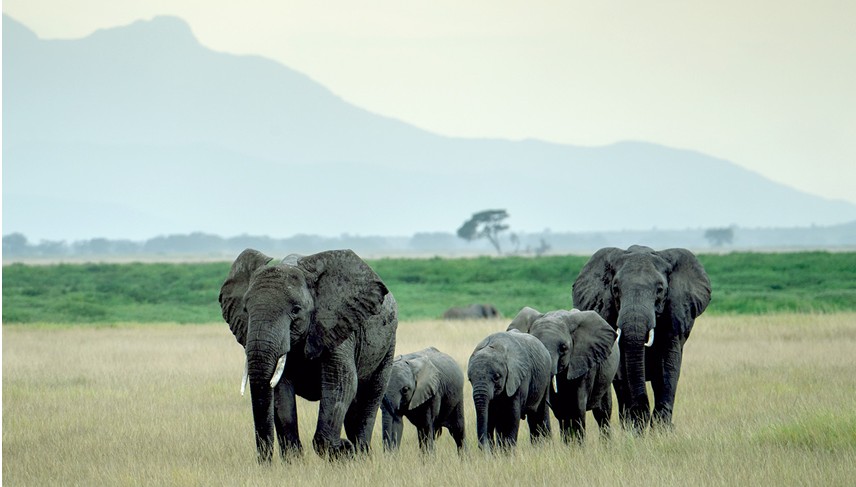
Amboseli, a UNESCO World Heritage Site, was my first stop. I watched hundreds of elephants roaming freely, some coming within a few feet of us. Their calmness was striking – proof of decades without poaching or major human-animal conflict. The park’s diverse landscapes – wetlands, grasslands, and savannas – thrived together, yet the dry grass and heat told another story: prolonged droughts have been killing animals as they compete for dwindling water and food.
At Lake Nakuru, I expected to see its legendary pink blanket of flamingos. Instead, I found a flooded lake, its shoreline trees bare and decaying. The water’s chemistry had changed – pH and salinity disrupted by years of excessive freshwater inflow, driven by erratic rains and Indian Ocean warming. The result: almost no flamingos, their food sources destroyed. The sight was both heartbreaking and unsettling, a silent warning of climate change in action.
Kenya’s national parks, like ecosystems worldwide, are under pressure from climate change, deforestation, land-use change, and economic demands. They are some of the last refuges for biodiversity. Losing them could unleash unforeseen consequences – just as the Covid-19 pandemic reminded us of the cost of disturbing nature’s balance.
Protecting these landscapes is not just about saving wildlife; it is about safeguarding human well-being. The health of plants, animals, and ecosystems is tied to our own – physically, mentally, and spiritually. We must stop seeing ourselves as masters of nature and instead recognise we are part of it. If we use resources wisely, they will sustain us. If we act recklessly, the future becomes uncertain.
Our hope lies in the younger generation embracing conservation and sustainable living, ensuring these wonders – and the lessons they hold – endure for generations to come.